

Introduction: More Than Just a Perk
In today’s fast-paced economy, where competition is fierce and expectations run high, bonuses have become a powerful tool—not merely as a financial incentive, but as a strategic instrument for motivation, recognition, and retention. From corporate boardrooms to online gaming platforms, the concept of a bonus has taken on various forms, each carrying its own implications and psychological impact. When structured thoughtfully, bonuses can fuel performance, boost morale, and foster loyalty. Yet, when misused or poorly executed, they can breed entitlement or dissatisfaction. To understand the true value of bonuses, one must explore their diverse types, functions, and the nuanced human behavior they influence.
The Various Faces of Bonuses
Bonuses come in many forms and serve different objectives depending on the context. Though commonly associated with workplaces and employee compensation, the term extends to industries like gaming, sales, finance, and digital marketing.
Common Types of Bonuses Include
-
Performance Bonuses: Awarded based on achieving specific targets, such as sales goals or project completions. These are designed to reward excellence and encourage peak output.
-
Sign-On Bonuses: Often used to attract high-caliber candidates in competitive job markets. This one-time payment helps to compensate for lost benefits or relocation costs.
-
Retention Bonuses: Granted to employees as an incentive to remain with a company during critical periods like mergers or high-growth phases.
-
Holiday or Year-End Bonuses: Typically distributed during festive seasons or at the fiscal year’s close, these gestures recognize loyalty and company-wide contribution.
-
Referral Bonuses: Offered to employees who recommend successful new hires. This promotes internal recruitment and company culture alignment.
-
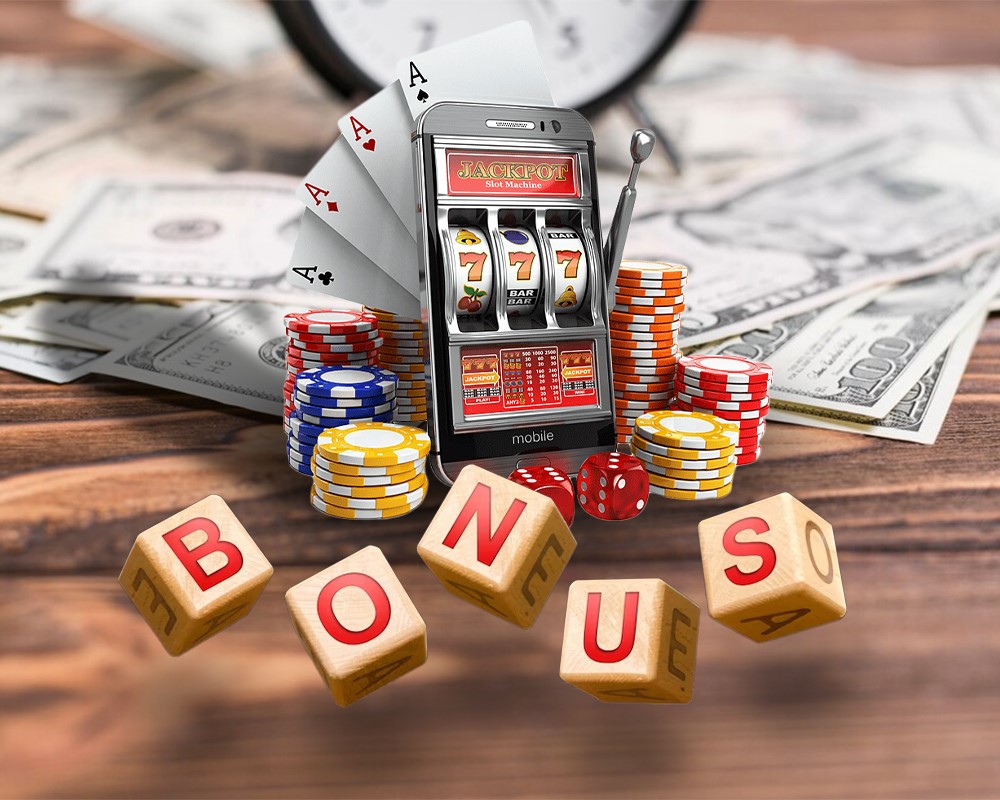
Gaming and Casino Bonuses: In online entertainment, players often receive bonuses such as welcome packages, no-deposit offers, or loyalty rewards to encourage engagement and spending.
The Psychology Behind Bonuses
At the core of every bonus is a deep understanding of human psychology. People are naturally motivated by rewards—both tangible and symbolic.
-
Dopamine and Anticipation: The mere anticipation of a bonus can stimulate dopamine production in the brain, which enhances focus and effort.
-
Recognition and Validation: A well-timed bonus serves as affirmation of one’s value and performance, often having a more lasting impact than regular salary increases.
-
Behavioral Conditioning: Bonuses, when delivered consistently in response to certain actions, can reinforce desired behaviors, much like a positive reinforcement loop.
-
Social Comparison: Bonuses also influence workplace dynamics. Transparency or the lack thereof can either inspire healthy competition or cause resentment among peers.
Bonuses in the Workplace: Motivation or Manipulation?
Bonuses are often heralded as an effective motivator, but their success hinges on how thoughtfully they are structured and communicated.
Best Practices for Workplace Bonuses
-
Clarity in Criteria: Vague or arbitrary bonus systems can demotivate employees. Clear, measurable objectives should define bonus eligibility.
-
Consistency and Fairness: Perceived favoritism or inconsistency undermines trust. An equitable system strengthens morale.
-
Balance with Base Salary: Relying too heavily on bonuses to compensate low base pay may backfire, leading to burnout or turnover.
-
Timeliness: The closer a bonus is to the behavior it rewards, the more effective it becomes in reinforcing that action.
-
Personalization: While cash is king, some employees value time off, recognition, or experiences more. Tailored bonuses can create stronger emotional impact.
Bonuses in the Digital Age: From Ecommerce to Gaming
The rise of digital platforms has expanded the bonus concept beyond the office and into the fingertips of millions.
-
Ecommerce Promotions: Retailers frequently offer sign-up discounts, cashback bonuses, and loyalty points to entice and retain customers.
-
Online Gaming Incentives: Casinos and mobile games use bonus structures to reward daily engagement, milestone achievements, or social sharing.
-
App Onboarding: Many fintech and service apps now offer welcome bonuses to encourage downloads and initial usage. These bonuses not only attract users but also shape long-term habits.
The Downside of Bonuses: Risks and Misalignment
Despite their benefits, bonuses can create unintended consequences if not carefully designed.
-
Short-Term Thinking: When bonuses are tied only to quarterly goals, long-term innovation or ethical considerations may suffer.
-
Entitlement Mentality: Regular bonuses, if expected rather than earned, can lose motivational value and become a source of discontent when withheld.
-
Manipulated Metrics: In high-pressure environments, employees may be tempted to game the system or cut corners to meet bonus criteria.
-
Cultural Divide: What is considered a generous and motivating bonus in one culture might be undervalued or even insulting in another. Cultural sensitivity is crucial in global organizations.
Creating Meaningful and Impactful Bonuses
Bonuses should be more than financial band-aids—they must be part of a broader engagement strategy.
Key Strategies for Effective Bonus Programs
-
Link to Company Vision: Bonuses should align with both individual and organizational goals, reinforcing core values.
-
Foster Transparency: Employees should understand how bonuses are calculated and what behaviors are rewarded.
-
Measure Outcomes: Regular assessments help determine whether the bonus program is achieving its desired effect.
-
Encourage Intrinsic Motivation: While bonuses offer extrinsic reward, pairing them with opportunities for growth, autonomy, and purpose ensures deeper engagement.
Conclusion: The Bonus as a Symbol of Value
In every context, bonuses serve a singular purpose—they signify value. Whether it’s an employee exceeding expectations, a gamer reaching a milestone, or a customer trying a new service, bonuses communicate appreciation and incentivize connection. However, to unlock their true potential, bonuses must be crafted with insight, empathy, and strategic intent. A bonus, after all, is more than just extra pay; it’s a message. One that says, “You matter. You’ve contributed. And we recognize that.” When delivered with meaning, that message can be as powerful as any number on a paycheck.
