

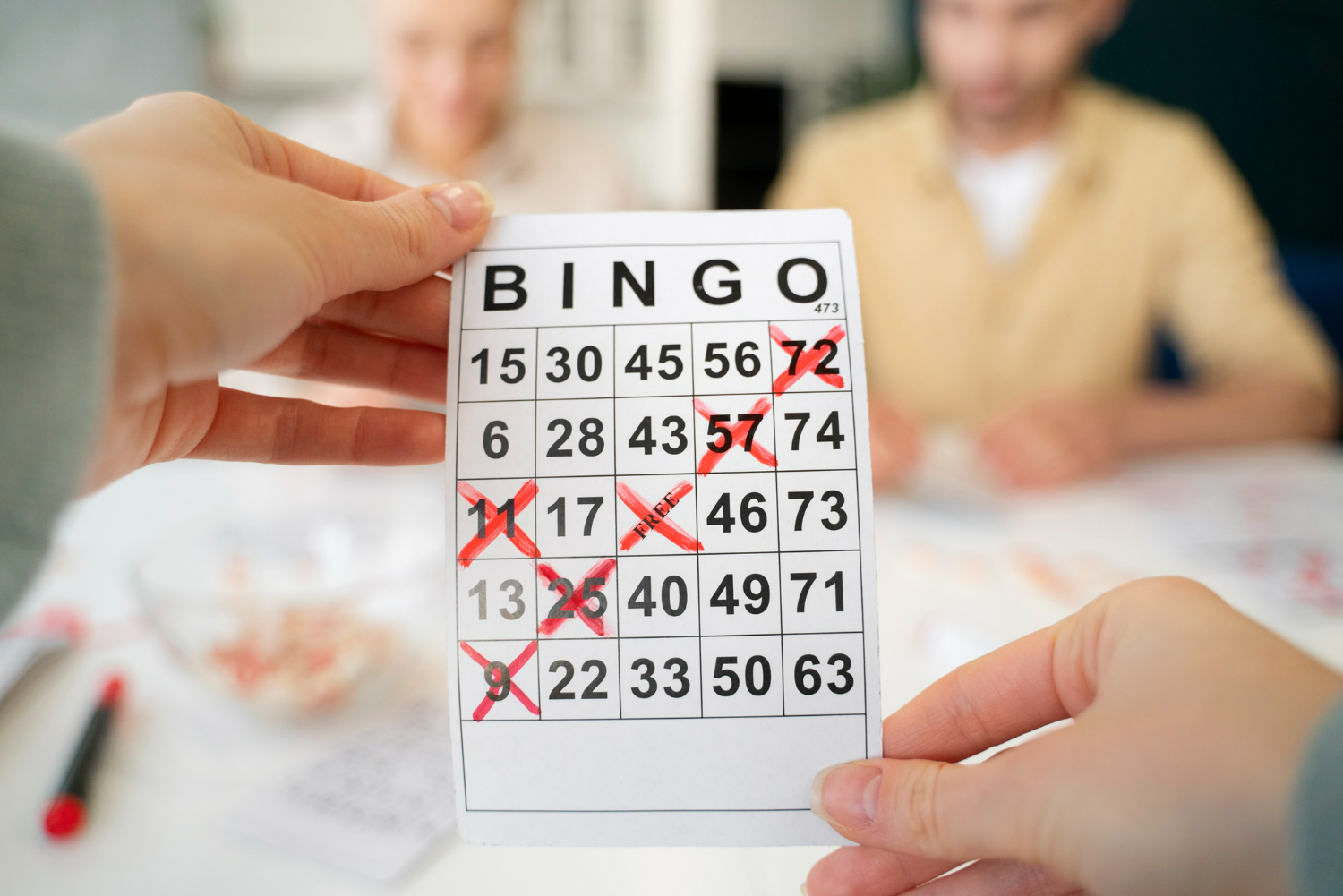
Introduction: A Game of Simplicity, a Legacy of Joy
Few games carry the universal familiarity and multi-generational appeal of Bingo. What began centuries ago as a lottery-inspired pastime in Italy has transformed into a global cultural fixture—played in churches, community halls, online platforms, and even high-end cruise ships. At first glance, Bingo appears almost childishly simple: numbers are called, cards are marked, and someone shouts “Bingo!” But behind its straightforward exterior lies a rich narrative of community, nostalgia, adaptability, and enduring entertainment. It’s not just a game; it’s a cultural ritual with a remarkable ability to reinvent itself.
A Brief History: From Renaissance Italy to Global Fame
Bingo’s roots can be traced back to 16th-century Italy, where it began as “Il Gioco del Lotto d’Italia.” The game soon spread across Europe, finding particular resonance in France and Germany, where it was used not only for recreation but also for educational purposes—teaching children arithmetic, spelling, and even history through numbered cards.
In the early 20th century, Bingo found fertile ground in the United States. It was first popularized under the name “Beano” at carnivals, where players used beans to mark their cards. A New York toy salesman named Edwin S. Lowe witnessed the game’s popularity and saw its potential. After a participant mistakenly shouted “Bingo” instead of “Beano,” the name stuck—and the modern version was born.
The Social Magic of Bingo: More Than Just a Game
Bingo’s true power lies not in the randomness of numbers but in the social fabric it helps weave. At its best, Bingo is not merely about marking a card—it’s about connection, community, and shared excitement.
Key social elements of Bingo include:
-
Intergenerational bonding: Grandparents and grandchildren can sit side by side, equally engaged, bridging generational gaps through shared participation.
-
Community building: Especially in small towns and senior centers, Bingo nights offer a routine gathering point, fostering a sense of belonging.
-
Therapeutic benefits: For older adults, the game offers gentle cognitive stimulation and helps combat loneliness, enhancing emotional well-being.
What other game can boast such a wide appeal—from school fundraisers to retirement homes, charity events to chic online lounges?
Bingo in the Digital Age: Reinvention Without Sacrificing Charm
Like many classic games, Bingo has found new life in the digital world. Online Bingo platforms now attract a younger, more tech-savvy audience, with features that reimagine the traditional format while preserving its fundamental charm.
Some key innovations include:
-
Interactive chat rooms: Mimicking the communal feel of traditional Bingo halls, these foster interaction and camaraderie among players.
-
Themed Bingo rooms: From Harry Potter to the Roaring Twenties, themed rooms add visual interest and storytelling to gameplay.
-
Mobile apps and real-time play: Today, one can play Bingo on the go, with live callers and multiplayer formats enhancing the immediacy and excitement.
Far from diminishing its appeal, digital innovation has widened Bingo’s demographic, bringing in younger players who may never have stepped foot in a Bingo hall. The game’s ability to adapt while maintaining its essence is part of what keeps it relevant.
Bingo and Charity: Gaming With a Purpose
One of the more noble aspects of Bingo is its close association with charitable causes. Churches, schools, and non-profits have long used Bingo nights as effective fundraising events. Unlike many other games of chance, Bingo carries with it an aura of wholesomeness—making it a favored tool for generating community support.
Benefits of Bingo for fundraising include:
-
Low cost of entry for participants
-
High potential for repeat attendance
-
Easy setup with little need for complex equipment
-
Broad appeal across ages and interests
In this sense, Bingo becomes more than entertainment; it becomes a mechanism for social good, supporting education, healthcare, and local community initiatives.
Myths and Misconceptions: Dispelling the Stereotypes
Despite its wide appeal, Bingo is not immune to stereotype. It is often unfairly labeled as a “game for the elderly” or dismissed as lacking intellectual challenge. In reality, such notions miss the mark.
-
Intellectual engagement: Quick reflexes, sharp attention, and fast pattern recognition are all integral to success in Bingo.
-
Cultural diversity: In the UK, Bingo nights are a staple of youth culture. In Japan, tech-driven Bingo tournaments are rising in popularity. In Latin America, variations of Bingo are played during major family gatherings.
-
Evolving audience: Thanks to themed games and digital platforms, Bingo is now enjoyed by people in their 20s and 30s, often as part of virtual game nights or social drinking events.
The enduring presence of Bingo across ages, classes, and cultures is evidence that it’s far more versatile than its critics suggest.
Bingo Etiquette: A Quiet Code of Conduct
Whether you’re playing in a smoky community hall or a polished digital lounge, Bingo has its own unwritten rules. Observing them adds to the game’s charm and integrity.
Some key points of Bingo etiquette include:
-
Don’t talk during number calling
-
Always respect the caller’s pace
-
Don’t falsely call “Bingo”
-
Celebrate wins modestly, especially in quieter settings
-
Help newcomers understand the rules without patronizing
Such traditions enhance the sense of ritual that makes Bingo unique. The game may be simple, but the culture around it is rich and respectful.
Conclusion: A Quiet Giant in the World of Games
In an age of complex video games, immersive simulations, and constant digital noise, the unassuming simplicity of Bingo might seem outdated. And yet, it endures—not through bells and whistles, but through its core values: community, accessibility, and timeless fun.
Bingo’s genius lies in its balance. It is structured yet flexible, competitive yet communal, nostalgic yet adaptable. It welcomes everyone—young and old, novice and seasoned—and offers a moment of shared anticipation, joy, and human connection.
Far from a relic, Bingo is a reminder of what games are truly meant to be: not mere pastimes, but shared experiences that bring people together. And in that respect, few games rival its quiet brilliance.
