

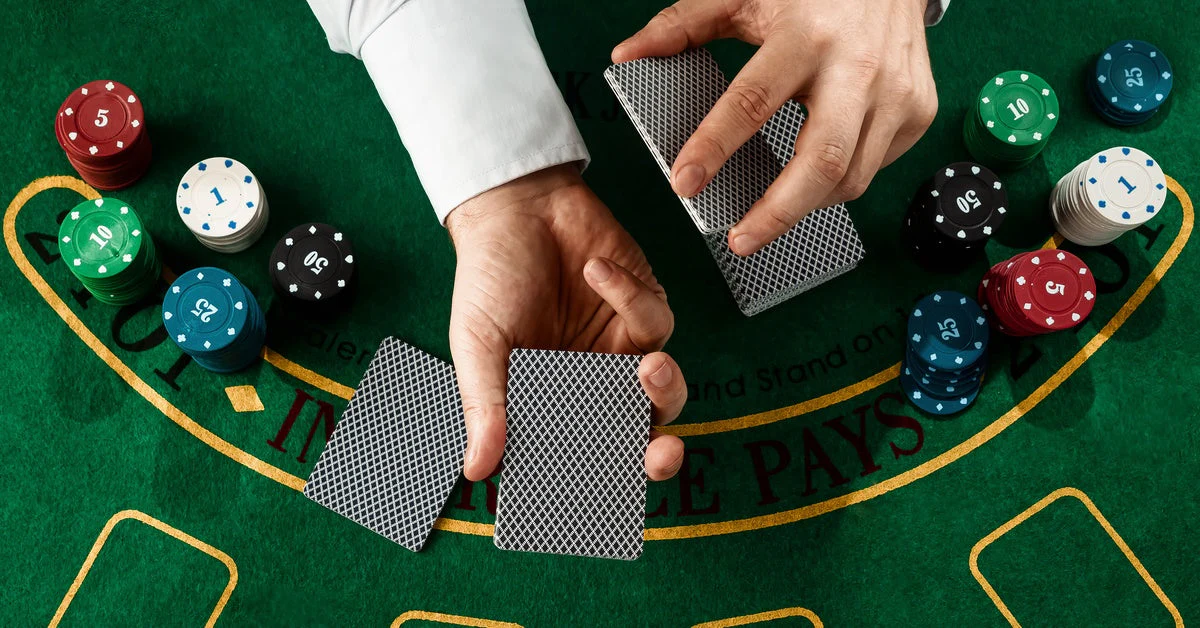
Blackjack remains one of the most popular casino card games in the world because it combines simple rules with deep strategic depth. For both casual players and serious advantage players, the ultimate goal is to minimize the house edge and maximize the probability of winning sessions. When walking onto a casino floor or opening an online casino lobby, one of the most critical decisions a player faces is choosing between a single deck game and a multi deck game.
At first glance, a single deck game sounds intuitively superior. Fewer cards in play should theoretically make it easier to keep track of what has been dealt. However, casino operators are well aware of the mathematical advantage a single deck offers an educated player, and they have altered the rules accordingly. Understanding the subtle nuances, rule modifications, payout structures, and mathematical implications of deck counts is essential for anyone looking to optimize their blackjack strategy.
The Mathematical Foundation of Deck Counts
To understand why deck composition matters, you must examine how the house edge is formed. In any standard blackjack game, the casino gains an inherent advantage because the player must act first. If the player busts, they lose immediately, even if the dealer subsequently busts as well.
The number of cards in play directly alters the frequency of natural blackjacks and the composition of remaining cards. With only fifty-two cards in a single deck, the removal of a high-value card, such as an ace or a ten, creates a massive shift in the ratio of remaining cards compared to a game utilizing six or eight decks.
In a pristine single deck game with favorable player rules, the house edge can be driven down to nearly zero, or even slightly into the player’s favor. This mathematical reality is precisely why pure, unadulterated single deck games are increasingly rare in modern casinos. To counteract the natural player advantage of a single deck, casinos introduce rule penalties that can quietly destroy the initial benefit.
Hidden Rule Variations in Single Deck Games
If you find a single deck table, you cannot simply assume it offers the best rules on the floor. Casinos protect their profit margins by adjusting secondary rules on single deck tables much more harshly than on multi-deck games.
-
Reduced Blackjack Payouts: The most egregious rule change found on many single deck tables is paying six to five instead of three to two on a natural blackjack. This single rule adjustment increases the house edge by over one percent, completely wiping out the mathematical advantage of playing with fewer decks.
-
Double Down Restrictions: Multi-deck games frequently allow players to double down on any two initial cards and permit doubling after splitting pairs. Single deck games often restrict doubling down to hard totals of ten or eleven only.
-
Dealer Soft Seventeen Rules: In many single deck variants, the dealer is forced to stand on all soft seventeen totals, which benefits the player, but some venues alter this to force the dealer to hit soft seventeen.
-
No Resplitting Aces: Single deck games rarely allow players to split aces multiple times, limiting a player’s ability to maximize advantageous situations.
The Reality of Multi Deck Blackjack
Multi deck blackjack, typically played with six or eight decks shuffled together in a shoe, is the standard offering across the vast majority of physical and digital casinos. While the larger number of cards dilutes the immediate impact of card removal, multi deck games usually come with much more player-friendly base rules.
In a standard six deck game, casinos routinely offer three to two payouts on blackjacks, allow doubling down on any two cards, permit doubling after splits, and allow late surrender. Because the sheer volume of cards makes card counting significantly more difficult, casinos feel comfortable offering these superior baseline rules. For the average basic strategy player who does not count cards, a six deck game with fair rules often provides a lower overall house edge than a restrictive single deck game that pays six to five on naturals.
Card Counting Dynamics Across Deck Counts
For advantage players who utilize card counting systems like the Hi-Lo count, the choice between single deck and multi deck changes entirely. Card counting relies on measuring the concentration of high cards versus low cards remaining in the shoe.
Single Deck Counting Advantages and Hurdles
In a single deck game, the true count fluctuates wildly with the removal of just a few cards. A single card removed from a fifty-two-card deck changes the remaining composition by nearly two percent. This makes the math extremely sensitive and potent.
However, single deck games come with severe operational hurdles for counters:
-
Frequent Shuffling: Because the penetration is terrible—often shuffling after dealing only one or two rounds—the sample size of playable hands per shuffle is tiny.
-
Scrutiny from Pit Bosses: Casinos watch single deck tables like a hawk. Betting spreads that are too wide will result in immediate back-offs or table limits.
Multi Deck Counting Characteristics
Multi deck games offer much better penetration percentages, often dealing seventy-five to eighty percent of the shoe before a shuffle. While the math is less volatile per card removed because of the larger divisor, the stable flow of hands allows counters to deploy larger bets with less immediate suspicion from casino staff.
Making the Right Choice for Your Playing Style
Deciding whether to play single deck or multi deck ultimately depends on your skill level, your bankroll, and your ability to read the fine print on the table felt.
If you are a casual player who relies strictly on basic strategy charts, your primary objective should be finding a table that offers a three to two payout on natural blackjacks, regardless of whether it uses one deck or six decks. Avoid six-to-five single deck games at all costs, as they are mathematically designed to exploit uninformed players.
If you possess advanced card counting skills and can find a single deck or double deck game with favorable rules and reasonable penetration, the lower deck count provides a sharper tool for generating a mathematical edge. For everyone else, a standard six deck or eight deck game with fair rules offers a reliable, low-house-edge environment for entertainment.
Frequently Asked Questions
Why do casinos prefer offering six or eight deck games over single deck games?
Multi deck games protect casinos from advantage players because the large volume of cards dilutes the effectiveness of card counting. Additionally, multi deck games speed up dealing times and allow casinos to offer player-friendly rules while maintaining a steady, reliable house margin.
Does basic strategy change when switching from single deck to multi deck?
Yes, basic strategy adjustments exist between single deck and multi deck games, primarily regarding double down and surrender decisions. Because the exact composition of the remaining cards differs slightly based on the deck count, marginal hands require different optimal plays.
Are online single deck blackjack games rigged or fair?
Licensed and regulated online casinos utilize certified random number generators or continuous shuffling simulations that replicate real deck odds. However, online single deck games frequently feature the unfavorable six-to-five blackjack payout, so players must check the rules before playing.
What is deck penetration and why does it matter?
Deck penetration refers to the percentage of cards dealt from the shoe before the dealer performs a shuffle. High penetration is crucial for advantage players because it ensures they get to play through a larger portion of the cards after a favorable count has been established.
Can you use a continuous shuffling machine in single deck blackjack?
Continuous shuffling machines are typically used in multi deck games rather than single deck games. A continuous shuffler automatically returns discarded cards back into the machine after every round, which completely neutralizes card counting strategies.
Is surrender available more often in single deck or multi deck games?
Late surrender is rarely offered on single deck tables because it heavily impacts the house edge in a low-deck environment. Surrender options are much more commonly found on multi deck shoe games in jurisdictions that mandate player-friendly rule options.
